 Multiple Sclerosis, also known as MS, is a complex condition that currently affects hundreds of thousands of people in the United States alone. This chronic disease causes uncomfortable, sometimes debilitating symptoms that can make it difficult to perform even simple everyday tasks.
What is Known of this Unstable Disease Process
The exact cause or causes of MS are not yet understood, and currently there is no specific cure, although many advances have been made in the treatment in recent years. Western medicine defines MS as an autoimmune condition, which is a condition that occurs when the immune system attacks the body’s own tissues. With MS, the immune system appears to attack and break down a substance called myelin, the sheath that surrounds the nerve fibers of the central nervous system. Myelin is an insulation layer between nerve cells that helps to maintain the speed of transmission through the nerves as well as preventing cross communication between nerve cells. As the myelin sheath is eroded away so does the speed and quality of communication between the brain and the body. In the early stages of the myelin eroding there are very few if any symptoms.
However, when myelin insulation layer is “broken” and the nerve cells of the spinal cord and brain are exposed, nerve impulses are slowed down and cross communicated, leading to a progression of neurological related problems. So of the more common neurological symptoms include:
- Blurred vision
- Loss of balance
- Poor coordination
- Slurred speech
- Fatigue
- Memory problems
- Numbness or weakness of the limbs
The symptoms of MS vary from person to person, can range from minor to severe and can even disappear for periods of time only to flare up unexpectedly.
Options for the Treatment of Multiple Sclerosis
Depending upon your symptoms and the progression of the disease, your doctor may suggest medications designed to slow the disease and/or medications for the symptoms.
It is important to take an active role in your treatment. More and more, people living with MS are choosing to complement their Western treatment with acupuncture and Traditional Chinese Medicine (TCM). Acupuncture and TCM can provide a safe, natural way for those living with MS to stay as healthy as possible. Including acupuncture and TCM in your treatment plan can help boost your overall health and relieve symptoms. Practitioners of TCM view MS differently than Western medicine practitioners, taking into account each individual’s overall health, lifestyle and emotional well-being—not just their symptoms.
TCM is based on the concept that Qi (pronounced “chee”), or vital energy, flows through the body in channels called meridians. If Qi becomes stagnant, unbalanced or deficient, symptoms such as those linked to MS can result. This can occur for any number of reasons, from an inherited constitutional imbalance or illness to stress or an external invader such as wind or dampness.
Your practitioner will work to determine the condition at the root of your symptoms in order to create a treatment plan. For example, the muscular stiffness and numbness associated with MS are often related to excessive dampness within the meridians, or a deficiency in the liver and kidney organ systems.
Based on their diagnosis, your acupuncture practitioner will work to balance the Qi in the body’s organ systems by manipulating corresponding points on the body with hair-thin acupuncture needles. While acupuncture alone can’t cure MS, it has been found to be particularly useful in managing symptoms such as pain, muscle spasms and bladder problems.
Helpful Tips For Living with MS
MS can have an impact on every part of your life. To help support both your physical and emotional well-being, your practitioner may suggest some of these lifestyle changes and self-care techniques.
- Herbal remedies – Your practitioner may provide herbs or nutritional supplements designed to help relieve symptoms and boost your overall health. Be sure to let your other health care providers know if you take supplements in order to avoid any potential drug interactions.
- Staying cool – Heat can make symptoms of MS worse. Tepid baths, cool drinks and air conditioning may help make you more comfortable.
- Exercise – Yoga and Qi Gong can help improve strength, balance and depression. Consider adding gentle aerobic exercise as well to improve your overall health and reduce stress.
- Stress relief – Stress can exacerbate symptoms and cause other health problems, so it’s important to keep your stress levels in check. Meditation or deep-breathing techniques can help you stay calm and relaxed. Massage is another great way to help relieve stress and loosen tense muscles. If your anxiety becomes overwhelming, consider talking to a professional.
MS is a serious condition, but many people with MS live long, happy, fulfilled lives. Acupuncture and TCM can provide the support you need to cope with MS and its effects. If you or someone you love is facing MS, contact an acupuncturist today.
Dr. Jay Sordean and The Redwood Clinic in Berkeley, California can help you live with MS. Call us at today (510) 849-1176 to set up a consultation.
 Irritable bowel syndrome or IBS is a complex disorder which affects the intestines ability to effectively move their contents; most often too fast but other times too slow. The main symptoms of IBS are abdominal pain, bloating, diarrhea, and/or constipation. Less frequently occurring symptoms of IBS include headaches, fatigue, depression and anxiety. Symptoms are often triggered by stress, dietary changes, emotional upsets, hormone levels and even medications.
 Every year, complications from the flu virus cause tens of thousands of people to be hospitalized. Regrettably, most of us do suffer with the “flu,” or “influenza,” virus at least once in our lifetime. The symptoms and signs linked with the virus are very familiar: fever, sore throat, congestion, fatigue, muscle and body aches, runny nose, dry cough, sneezing, watery eyes and generally feeling miserable.
 One of the most feared words today is Cancer. The diagnosis that often elicits a strong emotional response. It can leave you feeling frightened, uncertain, hopeless, helpless and powerless. If you or a loved one are facing cancer, it’s important to have hope. In many cases, cancer can be cured, especially when it’s detected early. There are more treatments available now than ever before to cure cancer or slow it from spreading, relieve its symptoms, and help you live a healthier life.
 Over fifty million Americans are living with the diagnoses of an autoimmune disease. These diseases go by many names: Lupus, Hashimoto’s thyroiditis, and Crohn’s disease just to name a few. If you are facing one of these life long conditions, you know how crucial it is to have a treatment plan in place to help you manage your symptoms to help you live the healthiest, most active life as possible.
 Do you experience tingling, numbness, loss of sensation or power in your hand or fingers? Do you wake up with these symptoms or do these symptoms wake you up at night? Do you have pain that radiates from your wrist to your shoulder? Is holding or working with small objects difficult? If so, you could be suffering from Carpal Tunnel Syndrome (CTS), an uncomfortable and sometimes disabling condition that affects several million people worldwide.
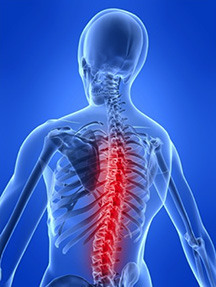 Acupuncture and Traditional Chinese Medicine (TCM) are very effective in treating back pain naturally. They can also be used together with traditional Western treatments to maximize your healing and recovery.